

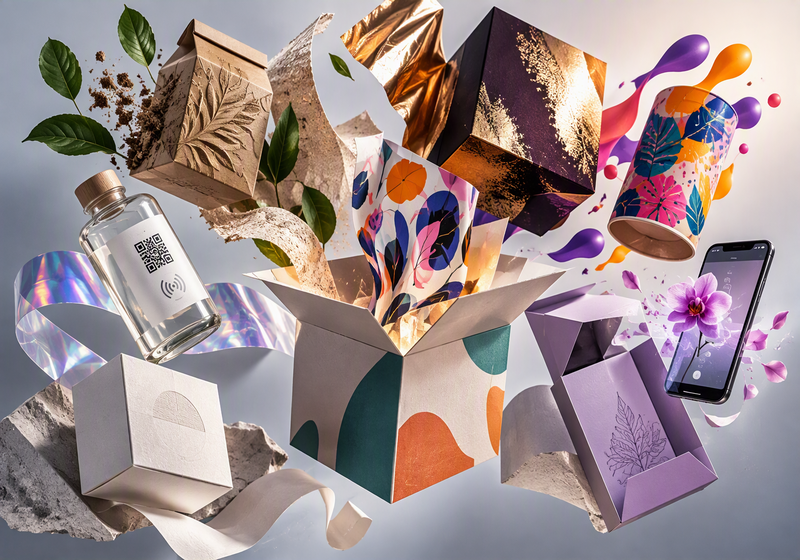
Packaging does more than protect a product. It’s a chance to showcase your brand, capture attention, and leave a lasting impression. From personalized labels and premium finishes to distinctive designs and custom stickers, print gives businesses more ways to stand out.
At Pixartprinting, we make it easy to bring your ideas to life with customized labels and stickers, marketing materials, business cards, and more.
With more flexibility in print design, materials, and finishes, you have plenty of ways to refresh your packaging.
To help, we’ve pulled together seven trends to inspire your brand in 2027:
1. Personalized Labels and Limited-Edition Designs
Personalization is becoming an everyday packaging option, rather than something reserved for big campaigns. Digital printing makes it easier to create smaller runs of labels for seasonal launches, regional variations, special occasions, and individual customers.
Christian Bonin, Product Manager at Pixartprinting, explains:
“Brands can keep a standard pack and personalize only the label, with regional versions, seasonal editions, gift messages, or QR codes. It’s the fastest, lowest-cost way for brands to test ideas and connect with specific audiences.”
This flexibility also opens the door to limited-edition packaging. Businesses can introduce seasonal artwork, celebrate collaborations or test new concepts without redesigning an entire package.
Pixartprinting’s own order data reflects this growing interest in design variation: multi-design orders increased from 6% to 14% of label revenue between 2024 and 2026.
2. Distinctive Shapes, Colors and Premium Finishes
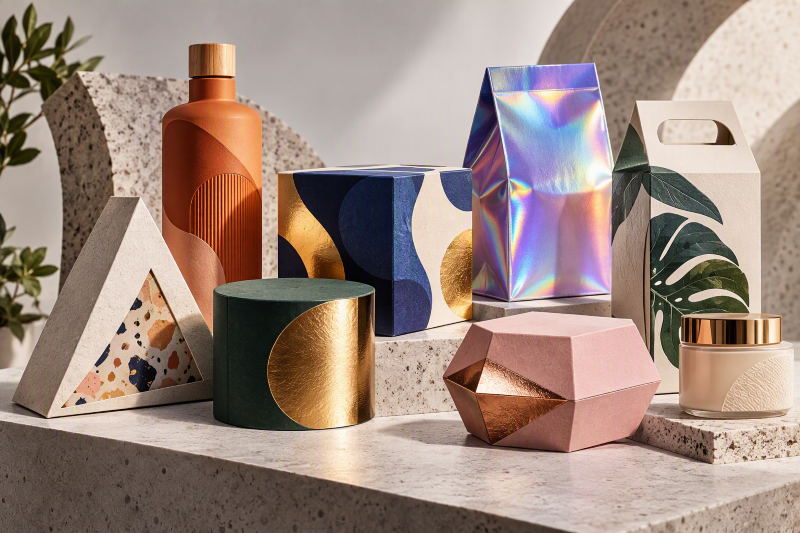
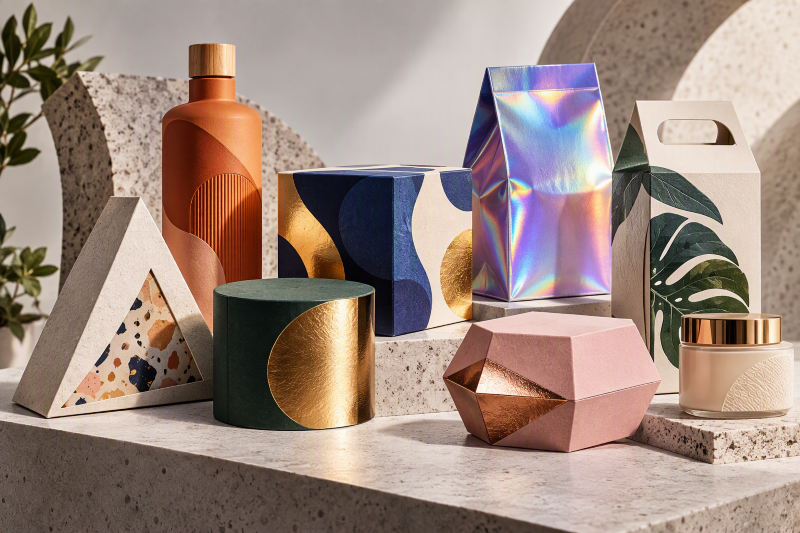
A label’s shape, color, and finish can influence how a product is perceived before a customer even reads its name. Custom shapes, tactile materials and carefully chosen embellishments help packaging stand out on crowded shelves and in online product listings.
Arianna Girardi, Commercial Planning & Merchandising Manager at Pixartprinting, has observed growing interest in shapes such as ovals and rounded-corner rectangles, alongside holographic films, textured papers and soft-touch coatings.
Bonin explains how these design choices can communicate different brand qualities:
“A custom die-cut shape stands out on a shelf full of rectangles. A small, minimal label suggests confidence and premium positioning, while a full wrap feels bold.”
Premium details can add another dimension. Foil, embossing, raised varnish, and textured papers create visual contrast and encourage customers to engage with packaging more closely. However, these elements work best when they support the overall design rather than compete for attention.
“The secret is restraint: one or two well-chosen treatments, like a matte base with a single foiled logo, beat stacking everything.”
Color is equally important, particularly online, where products may appear as small thumbnails. Consistent brand colors, strong contrast, and clear visual hierarchy help labels remain recognizable across different materials and channels.
3. AI-Assisted Design with Human Expertise
AI tools are making it easier to explore packaging concepts, generate illustration variations, and produce mockups. They can help businesses move from an initial idea to a visual direction more quickly, but creating artwork is only one part of preparing a print design.
Resolution, CMYK color management, bleed, and legible text all matter when turning a digital concept into a finished product. Brand consistency, originality, and trademark considerations are also important, particularly for logos and labels.
Veronica Tondato, Graphic Design Manager at Pixartprinting, sees the designer’s role evolving alongside these tools:
“The designer’s role isn’t disappearing; it’s shifting from production towards creative direction, curation and quality control.”
For businesses experimenting with AI-assisted design, the opportunity lies in combining speed with human judgment. Creative tools can help generate ideas, while careful review ensures the final artwork is distinctive, technically suitable for printing, and aligned with the brand.
4. More Authentic, Less Polished Visuals
As polished, AI-generated imagery becomes more common, brands may look for ways to make their packaging feel more personal and distinctive. Hand-drawn illustrations, visible textures, irregular marks, and spontaneous photography can introduce character that highly uniform designs sometimes lack.
Carlotta Coletto, Graphic Design Manager at Pixartprinting, explains:
“The more polished and uniform images become, the more people look for something that feels real and made by someone.”
On packaging, this could mean using expressive illustrations, less retouched photography, or visual details that reflect a product’s origins and personality. The aim is not to abandon professional design, but to make deliberate choices that give a brand its own recognizable style.
For roll labels and stickers, even a small illustration or distinctive graphic treatment can help communicate that personality without requiring a complete packaging redesign.
5. Stickers as an Extension of Brand Identity
Stickers can carry a brand beyond the original product packaging. When customers place them on laptops, water bottles, and notebooks, they become a visible part of everyday life rather than something discarded after opening a purchase.
Coletto sees stickers as an increasingly valuable branding tool:
“They’re no longer just a freebie in the package: people collect them and put them on laptops, water bottles and notebooks, which makes the brand visible in everyday life.”
Businesses can use custom stickers to support product launches, seasonal promotions, events and collaborations. They can also test new artwork or messaging without committing to a wider packaging refresh.
For smaller brands, stickers offer a flexible way to extend a visual identity across packaging and promotional materials. A well-designed sticker can reinforce brand recognition while giving customers something tangible to engage with.
6. Simpler Designs and More Considered Materials
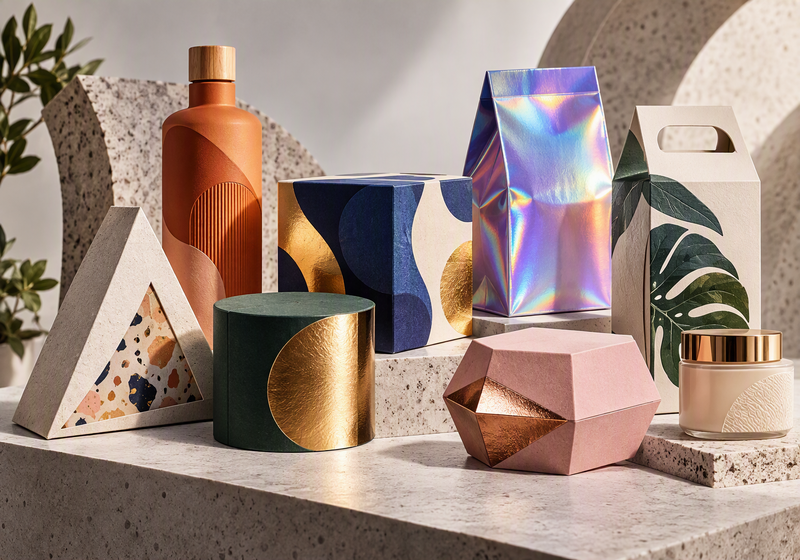
Packaging design is also placing greater emphasis on material choices and visual simplicity. Coletto expects continued interest in reduced color palettes, fewer inks, and natural paper stocks:
“Consumers are increasingly aware of these issues, and design has to communicate this credibly, not just with an ‘eco’ badge.”
A restrained palette or textured paper can help communicate a particular brand aesthetic, but appearance alone does not make packaging sustainable. Material selection, ink use, and production choices all need to be considered when assessing a design’s environmental impact.
For businesses, the challenge is to balance visual appeal with practical requirements. Choosing suitable materials and keeping artwork focused can help create packaging that communicates clearly without adding unnecessary design complexity.
7. Premium Labels and Packaging for Smaller Businesses
Specialist labels and premium finishes are no longer options that only large brands can explore. Digital printing makes shorter runs and greater design variation more accessible, allowing smaller businesses to experiment with packaging without automatically committing to large quantities.
Girardi explains:
“In the past, only large brands with big print runs could afford this. Digital printing has changed that. Custom, premium labels are now affordable for much smaller businesses.”
Holographic films, textured papers and soft-touch coatings give businesses more ways to tailor labels to individual products. Girardi also notes that personalization now extends beyond artwork to the label’s size, material and finish.
This flexibility is particularly useful for growing brands introducing new products, testing different designs or refreshing an existing range. Rather than overhaul every element of their packaging, they can make targeted changes to shapes, finishes, or materials.
For businesses looking to strengthen their presentation, a thoughtfully designed label can be a practical starting point for creating a more distinctive product experience.
Preparing Your Labels and Stickers for 2027
The packaging trends emerging for 2027 point to greater creative flexibility: more personalized designs, distinctive shapes, tactile finishes and visual identities that feel authentic to the brands behind them.
Specialist label and sticker printing gives businesses the flexibility to explore different sizes, shapes, materials and finishes for their products and campaigns. Whether you’re refreshing an existing design, preparing a seasonal edition or developing packaging for a new launch, customized print can help bring your brand vision to life.
As you plan for 2027, consider which details best communicate your brand’s personality. Sometimes, a new label shape, a carefully chosen finish, or a distinctive sticker is all it takes to give your packaging a fresh perspective.