


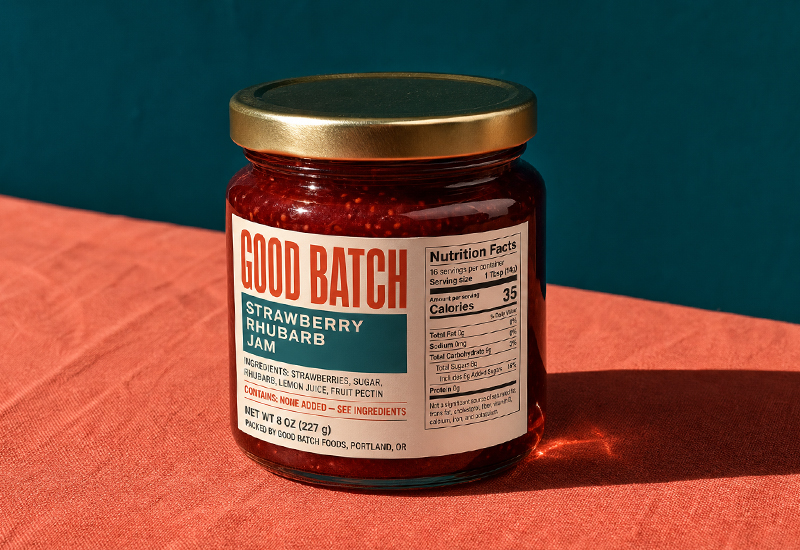
If you’re making and selling a food product in the US — jam, granola, hot sauce, baked goods — your ingredients label isn’t optional, and it isn’t just a formality either. It’s a legal requirement, and for a lot of small food businesses, it’s also the first thing a customer checks before they buy.
This guide covers what an ingredients label typically needs to include, how ingredients are listed, and where to go for the official, up-to-date regulatory requirements — because that last part is something we’ll point you to directly rather than guess at.
A quick but important note before we start: this article is meant to help you understand the basics and get oriented. It isn’t legal advice, and food labeling regulations can change. Always confirm current requirements against the official sources listed below, or consult a regulatory professional, before finalizing a label for a product you’re selling.
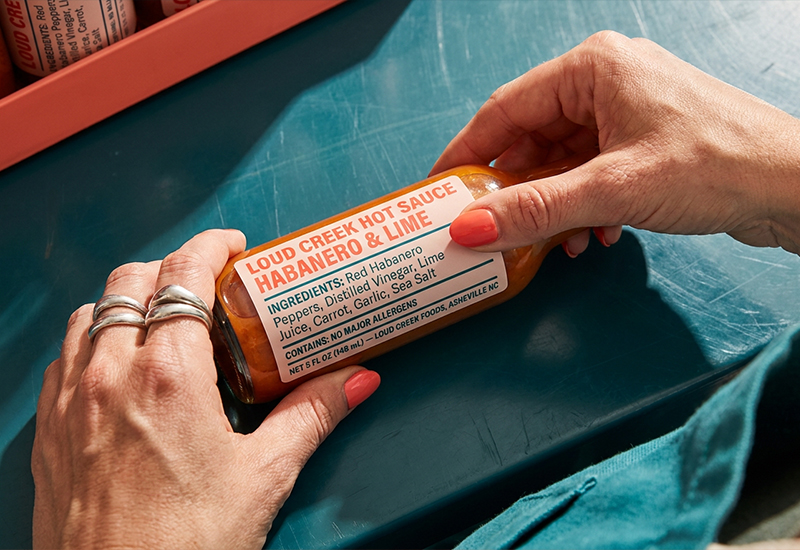
What Must Be on an Ingredients Label
While exact requirements depend on your product and where it’s sold, an ingredients label for a packaged food typically needs to include:
- A complete list of ingredients, identified by their common or usual name
- Major allergens, clearly identified (more on this below)
- The name and address of the manufacturer, packer or distributor
- Net quantity of contents (weight, volume or count)
- Nutrition information, where required for your product type
Some products and sellers qualify for exemptions or simplified requirements — for example, many home-based or “cottage food” producers fall under state-level rules that differ from full FDA nutrition labeling requirements. This is exactly the kind of detail worth confirming directly with your state’s department of agriculture or health, since it varies by state and by product.
How Ingredients Are Listed
Ingredients aren’t listed alphabetically or randomly — there’s a standard order that regulators expect:
- Descending order by weight. The ingredient used in the greatest amount comes first, down to the smallest.
- Sub-ingredients get broken down too. If your product includes a compound ingredient (like a pre-made sauce or seasoning blend), its own components generally need to be listed as well, not just the blend’s name.
- Some ingredients can be grouped. Certain flavors, spices and colors can be declared collectively rather than individually, depending on the specific rules that apply to them.
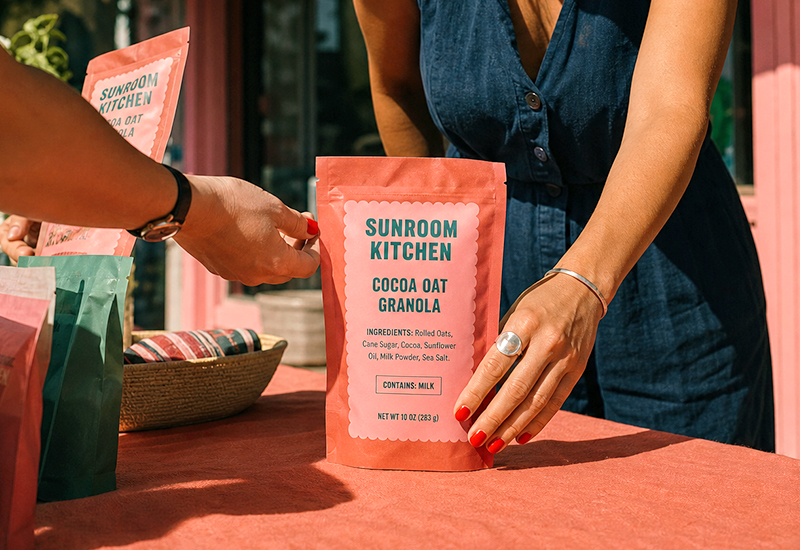
Allergens: What to Know
Allergen labeling is one of the areas where getting it wrong has the most serious consequences — this isn’t a place to guess.
In general terms, US law requires that major food allergens be clearly identified when they’re present in a product, either within the ingredient list itself or in a separate “Contains” statement directly below it. The list of what counts as a major allergen has changed over time, so this is one detail you should confirm directly against the current official guidance rather than relying on an older list.
Official U.S. Regulatory Resources
Rather than paraphrasing regulatory detail that can change or vary by product type, here are the official sources to consult directly. These are the documents regulators actually expect food businesses to reference:
- FDA Food Labeling Guide — the FDA’s core industry guidance document, covering ingredient lists, net quantity statements, nutrition labeling and general requirements in full detail.
- FDA — Nutrition, Food Labeling, and Critical Foods — the FDA’s main hub for food labeling requirements, updated as regulations change.
- FDA — Types of Food Ingredients — details on how ingredients are named, grouped and declared on a label.
- FDA — Food Allergies — the current official guidance on FALCPA (Food Allergen Labeling and Consumer Protection Act) and how major allergens must be declared.
If you’re a small or home-based producer, it’s also worth checking with your state’s department of agriculture or health department, since cottage food laws and simplified labeling allowances vary significantly from state to state and aren’t covered by federal guidance alone.
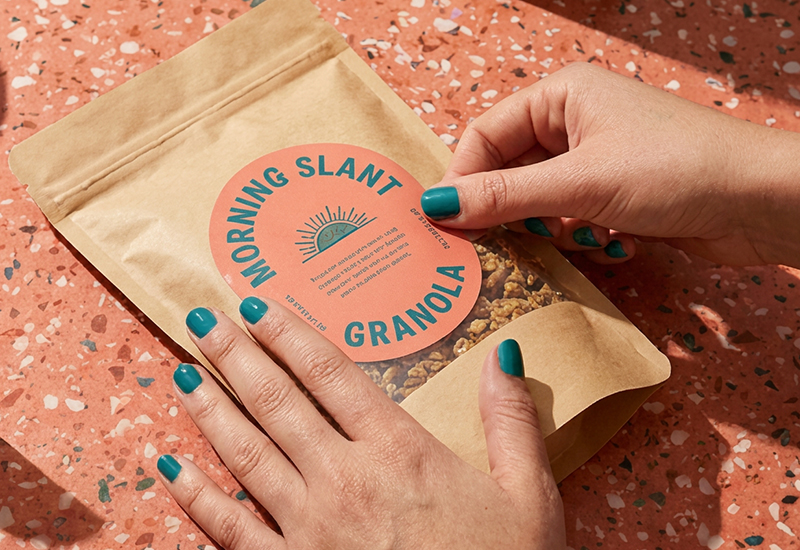
Design and Readability Best Practices
Meeting the legal requirements is the baseline — but an ingredients label also needs to actually be read.
- Keep type large enough to read without a magnifying glass. Cramming a long ingredient list into a tiny panel to save label space is one of the most common complaints from customers with allergies or dietary restrictions.
- Give allergen statements visual weight. Bold or clearly set-apart “Contains” statements are easier to spot at a glance than allergens buried mid-list.
- Don’t let compliance text crowd out your brand. With careful layout, there’s usually still room for your product name and identity to stand out, even on a small label.
Common Mistakes on Ingredients Labels
- Vague ingredient names. “Natural flavors” and similar catch-all terms are sometimes permitted, but using them incorrectly or too broadly can create compliance issues.
- Allergens listed but not clearly visible. Technically present in the ingredient list isn’t the same as clearly declared — font size and placement matter.
- Outdated ingredient order after a recipe change. If you reformulate a product, the ingredient list needs to be updated to reflect the new proportions, not just the new ingredients.
- Assuming federal rules cover everything. State-level requirements for small producers can add or modify what’s required — checking only the federal guidance isn’t always enough.
From Compliance to Print
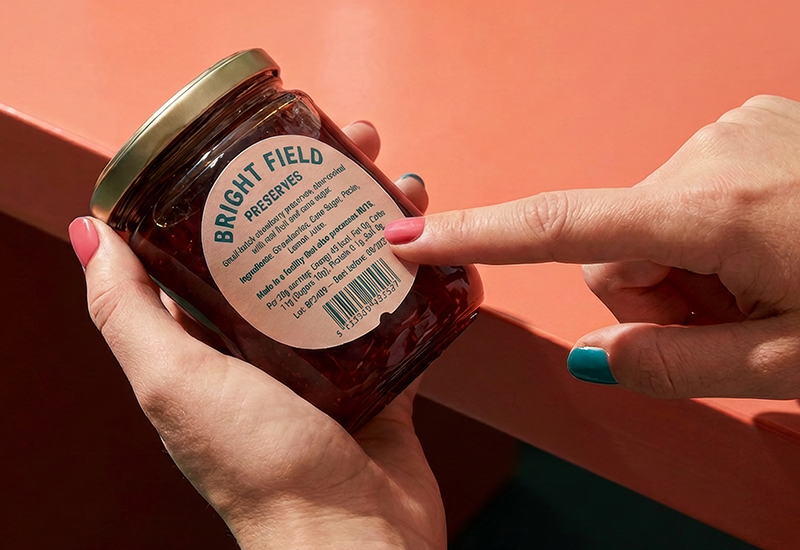
Once your ingredients list is finalized and compliant, the next step is getting it onto a label that actually fits your product and holds up in real use — moisture, handling, refrigeration. For small-batch and cottage food producers, that usually means a durable, print-ready label sized to an actual jar, bottle or bag, not a generic template.
You can configure exact size, material and quantity for your product through Pixartprinting’s roll labels, whether you’re printing a first small batch or scaling up production.
FAQ
Is an ingredients label legally required? For most packaged food products sold in the US, yes. Exact requirements can vary by product type and by state, especially for small or home-based producers — check the official FDA resources above and your state’s guidance to confirm what applies to you.
Do I need to list ingredients in a specific order? Yes — ingredients are generally listed in descending order by weight, from most to least.
What counts as a major allergen in the US? The FDA maintains the current, authoritative list — refer to the FDA’s Food Allergies page for the up-to-date list and labeling requirements, since this has changed over time.
Do cottage food producers have different labeling requirements? Often, yes — many states have simplified labeling rules for small home-based producers. These vary by state, so check with your state’s department of agriculture or health department directly.
Where can I find the official rules instead of a summary? Start with the FDA Food Labeling Guide — it’s the primary industry guidance document and the most reliable starting point for current requirements.
Ready to print once your label content is finalized? Pixartprinting’s roll labels let you set the exact size and material for your product, from a small test batch to a full run.