


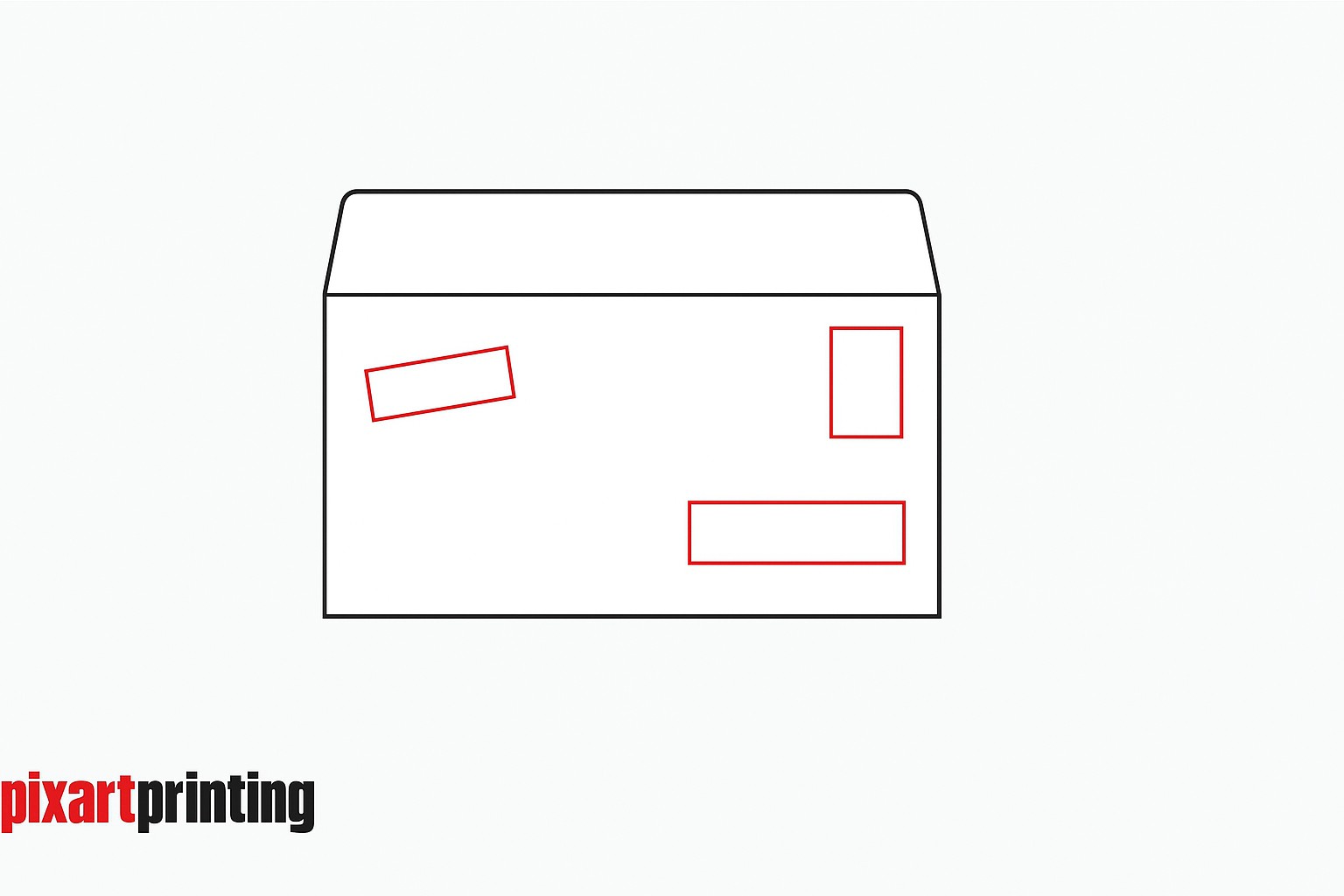
Essential Guide to Addressing an Envelope: Practical Tips and Examples
At some point, everyone needs to send a physical letter. Whether the contents are important or routine, successful delivery depends on addressing the envelope correctly and using the right postage.
This guide walks you through how to properly address an envelope before mailing it.
Starting with the Envelope Labeling: Identifying Sender and Recipient
Addressing an envelope starts with clearly labeling the sender — the person mailing the letter — and the recipient — the person receiving it — so the postal service can process the delivery efficiently.
Write the sender’s information on the back of the envelope (the sealed side) and the recipient’s information on the front.
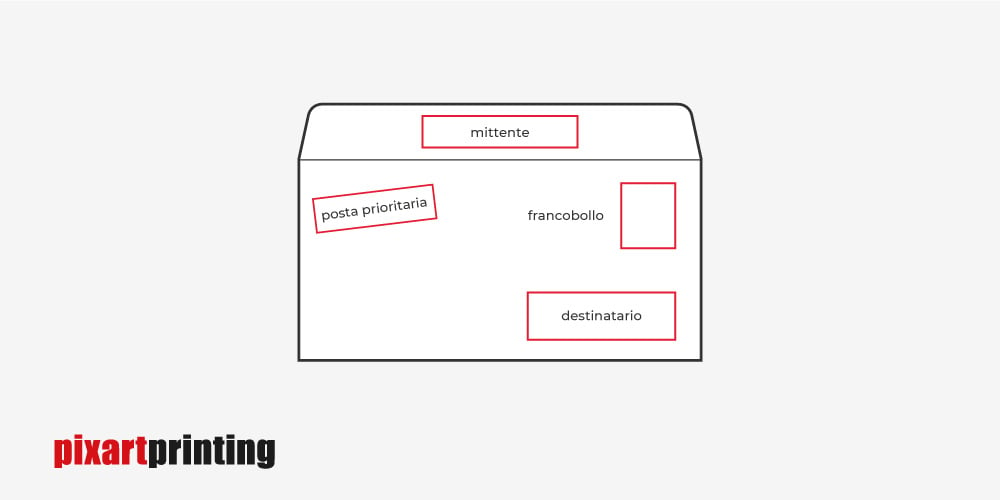
Back of the Envelope
The back of the envelope, where it is sealed, should include the sender’s address near the flap. This should list:
- Sender’s full name
- Street address
- City, State ZIP Code
- Country (for international mail)

You can write this information on one line or across three lines. Accurate details help ensure the recipient can identify the sender and that undeliverable mail can be returned.

Front of the Envelope
After completing the back, add the recipient’s details to the front. It should include:
- Postage stamp in the upper right corner
- Priority or service label, if applicable, in the top left
- Recipient’s complete address in the lower right area
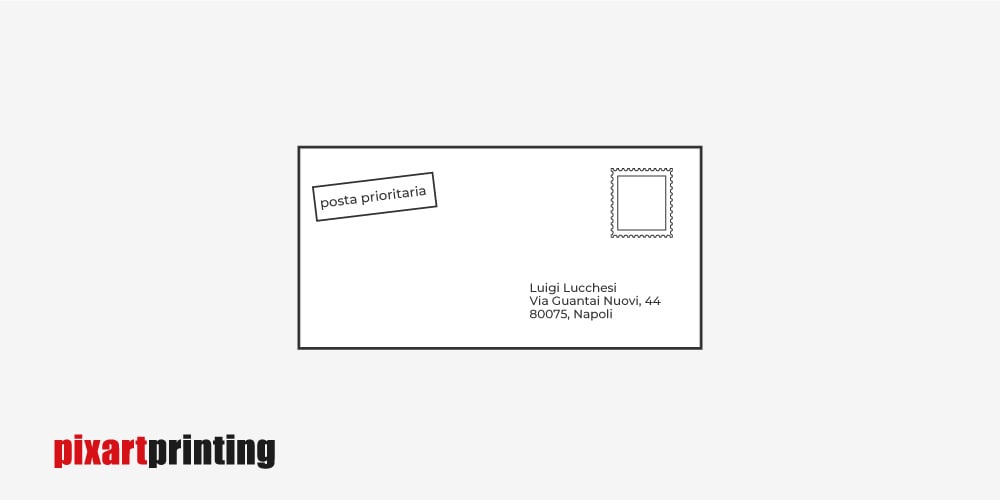
Make sure the recipient’s address includes the full name, street address, city, state ZIP Code, and — if sending internationally — the country.
Using Salutations, Titles, and Confidentiality Labels
For formal correspondence, it’s helpful to use appropriate salutations, titles, and confidentiality labels:
- Salutations: For formal letters, use “Dear [Name]”.
- Titles: Include titles like Mr., Ms., Mrs., Dr., or a professional designation when appropriate.
- Confidentiality: Use “Attn:” (attention) or “c/o” (care of) when routing mail to a specific person or department.
Using “c/o” for Confidential or Routed Mail
The “c/o” notation is especially useful for letters sent to a workplace or a general mailing address. It helps ensure the item reaches the intended recipient even if others handle the mail.
For example, when addressing mail to an attorney at a firm, you could format it like this:
Attn: Mario Rossi, Esq.
c/o Fortunati & Co.
123 Main Street
Springfield, IL 62704
Building C, Suite 4C
For highly sensitive mail, add “Confidential” or “Personal and Confidential” below the recipient’s address.
Choosing Personalized Business Envelopes
For professionals and businesses, personalized envelopes featuring a brand logo can help strengthen credibility and brand recognition. They’re easy to design and order online, with a wide range of customization options available.
In summary, properly addressing an envelope means paying close attention to sender and recipient details, understanding confidentiality labels, and considering personalized envelopes to create a professional impression.