


Building a career in drawing and illustration is a dream for many, but not everyone succeeds in turning that passion into a sustainable profession. Over time, some give up — discouraged by self-doubt or early challenges. But the truth is, talent isn’t always innate; it’s a skill that can be developed through consistent effort and daily practice.
Starting a career as an illustrator involves several key steps. This article outlines a practical guide filled with insights and actionable tips to help you become a professional illustrator.

1 – Getting Started as an Illustrator: The First Challenge
Establishing a strong foundation is essential in any creative field, and illustration is no exception. In the beginning, focus on these key steps:
- Practice consistently: Mastering the craft through daily practice is vital. Learn the fundamentals — anatomy, color, and composition. While formal training at an illustration school can help, it’s not a requirement. Online platforms like Skillshare offer valuable courses taught by professional illustrators.
- Experiment with techniques: Whether digital or traditional, try different methods to discover what works best for you. Don’t be afraid to make mistakes — persistence is key. Aim to produce work regularly, such as finishing one illustration a week. The book How to Be an Illustrator is an excellent starting point for beginners.
- Study the masters: Learn from both contemporary and historical illustrators to understand different styles and techniques. Fifty Years of Illustration is a great resource for gaining insight into the evolution of illustration over time.
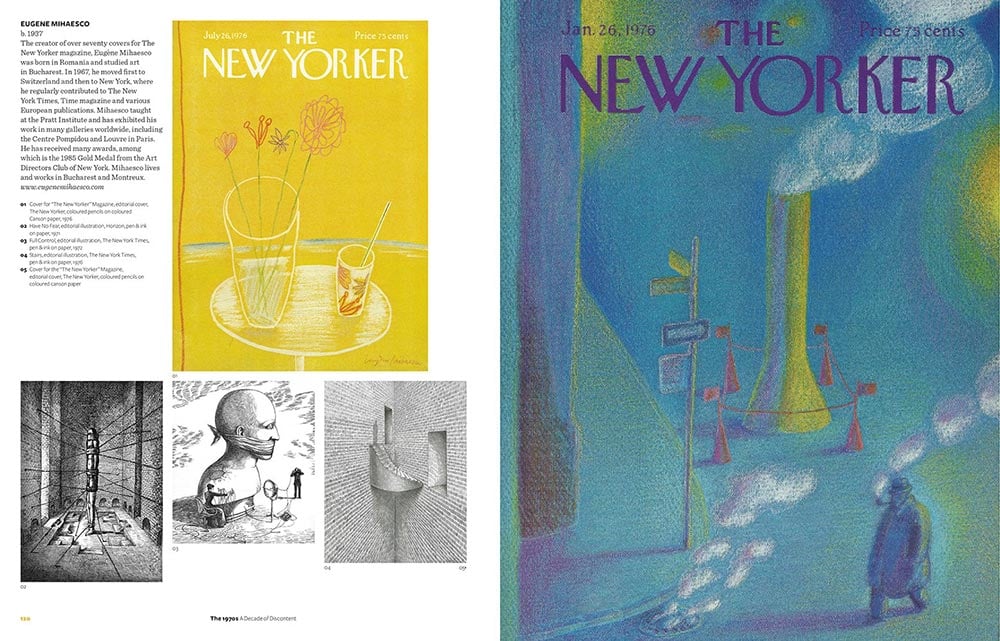
2 – Understanding Your Unique Style
Once you’ve developed your technical skills and studied the work of other artists, the next step is self-reflection — discovering your own unique style.
At first, it’s natural to imitate your favorite illustrators. But finding your personal voice — one that’s influenced yet distinct — is what truly defines you as an artist. Explore what comes most naturally: maybe you’re drawn to children’s illustrations, sci-fi themes, or a mix of genres.
The goal is to create illustrations that not only express your artistic identity but also meet the creative needs of clients, publishers, or media agencies. Your work should tell a story — one that feels cohesive and compelling when paired with text or brand messaging.

3 – Establishing Your Brand as an Illustrator
Many illustrators work as freelancers, which means that beyond mastering your craft, you also need to know how to promote yourself effectively. Personal branding isn’t just about showcasing a portfolio — it’s about communicating who you are, what you stand for, and the value you bring through your art.
Here are a few key principles to keep in mind:
- Authenticity: Be genuine in how you present yourself. Authenticity builds trust and attracts followers, clients, and collaborators.
- Consistency: Maintain a cohesive visual style and tone across your illustrations and online platforms.
- Visual identity: Develop a recognizable logo and business cards that reflect your aesthetic
- Goal setting: Define short-, medium-, and long-term goals to keep your career moving forward and demonstrate your professional commitment.

4 – Promoting your Work Offline
As you gain experience, it’s essential to actively seek commissions and build professional connections. Think of yourself not just as an artist, but as a small business.
A well-curated portfolio is your most powerful marketing tool — it showcases your skills, style, and versatility. Attend creative fairs, exhibitions, and industry events where you can meet potential clients and collaborators face to face. Personal interactions often leave a stronger impression than any online message.
Don’t hesitate to reach out directly to art directors or agencies with personalized proposals. Sending printed materials like postcards or mini portfolios can help your work stand out in a digital world.

5 – Promoting Your Work Online
In today’s creative world, having an online presence is essential. The internet is your portfolio, your resume, and your networking hub — all in one place.
Start by building a professional website or online portfolio to showcase your work and story. Blogging about your process, inspirations, or behind-the-scenes projects can help attract clients and followers who connect with your style.
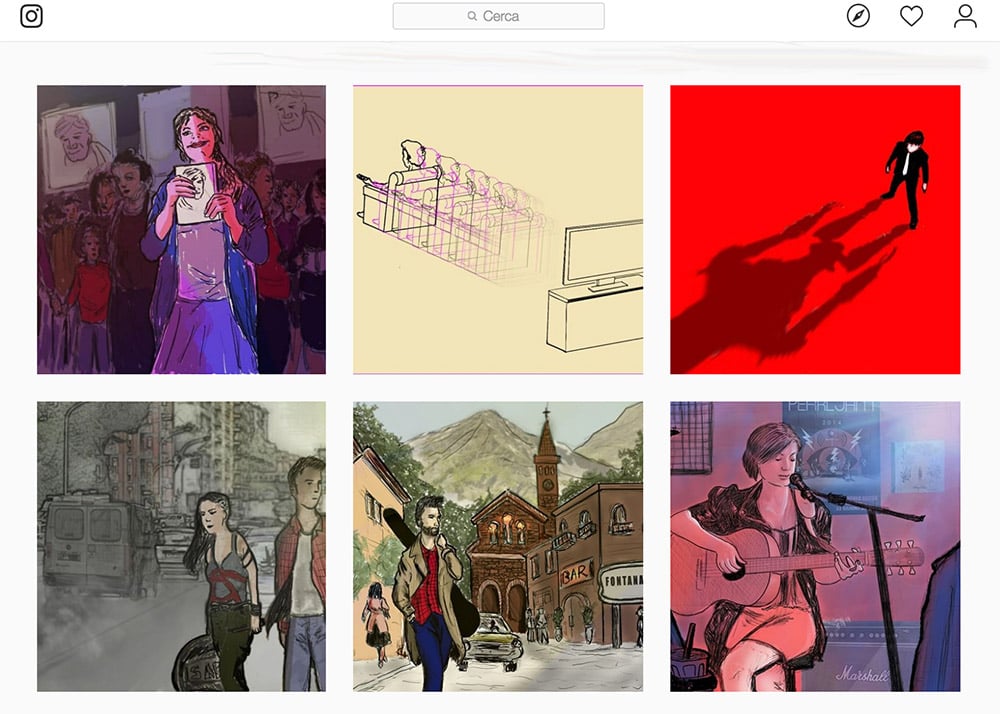
Be active on social platforms where art thrives — Instagram, Behance, Dribbble, LinkedIn, and Facebook. These channels allow you to share new projects, interact with your audience, and connect directly with art directors or agencies. When reaching out via email or social media, take time to understand each company’s tone and visual style — a personal, well-researched message goes a long way.
Becoming a successful illustrator takes patience, persistence, and time. Building your skills, expanding your client base, and learning to market yourself are long-term efforts — but your passion and creativity will make the journey worth it.

6 – Navigating the Business Side of Illustration
While creativity drives your work, understanding the practical and legal aspects of freelancing is just as important. Knowing how to manage contracts, rights, and payments will help protect both your art and your income.
If illustration is your full-time profession, consider setting up a legal business structure — such as a sole proprietorship or LLC — to handle taxes and invoices professionally. For those working part-time or freelancing occasionally, ensure you’re aware of any local tax requirements and licensing rules.
It’s also wise to draft simple contracts for each project, outlining usage rights, deadlines, and payment terms. A clear agreement benefits both you and your client, avoiding misunderstandings down the line.
7 – Continuous Learning and Networking
A successful career in illustration isn’t a destination — it’s an ongoing journey. To stay relevant and inspired, you need to keep learning, growing, and connecting with others in the creative community.
Take part in workshops, art fairs, and industry events to meet peers, potential clients, and mentors. Building relationships within the illustration world can open doors to unexpected collaborations and opportunities.
Stay curious — explore new techniques, experiment with materials, and keep up with trends in publishing, advertising, and design. The most successful illustrators never stop evolving.
This guide offers a roadmap for aspiring professionals: nurture your passion, keep improving your craft, and promote yourself confidently. Every project, connection, and challenge is a step toward turning your artistic vision into a lifelong career.